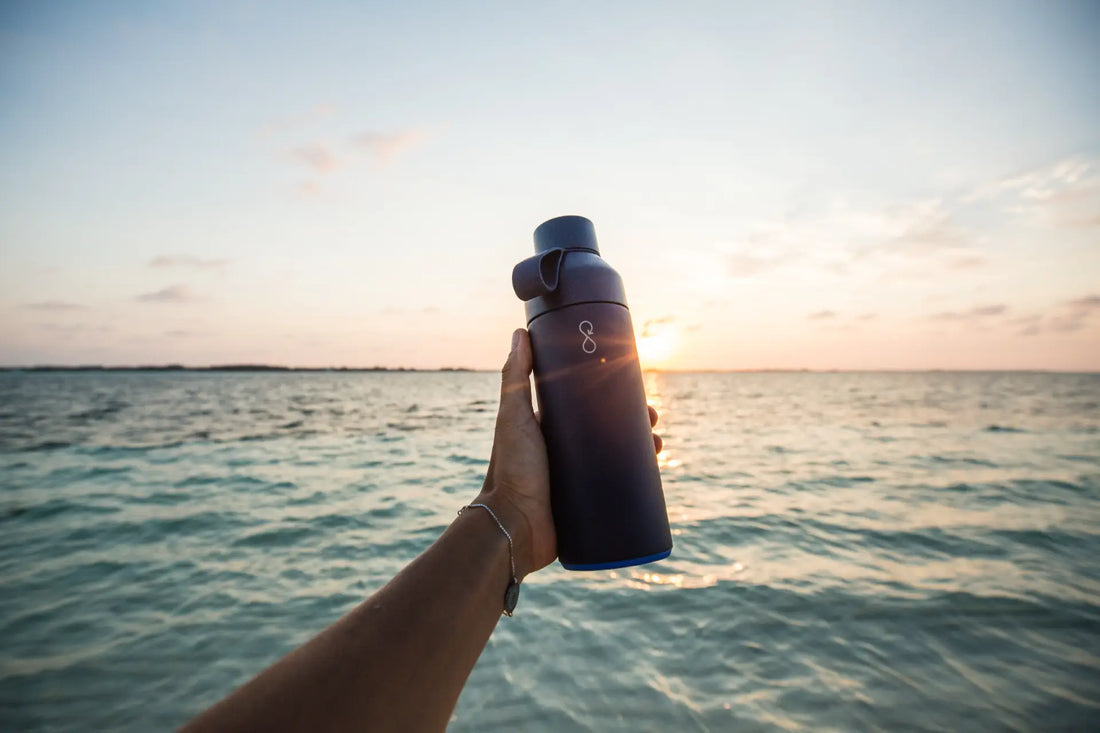
We exist on a blue planet - one that is 71% covered by the ocean. The ocean regulates our climate, feeds billions of people, absorbs carbon emissions, and produces much of the oxygen we breathe. It’s one of the hardest-working ecosystems on Earth.
Yet despite how much we rely on it, much of the ocean remains unexplored, misunderstood, and increasingly under threat. At Ocean Bottle, we think that the more we learn about the ocean, the more inspired we become to protect its future.
This World Oceans Day, we’re diving into some of the ocean’s most fascinating facts, some of which demonstrate why protecting the ocean matters more than ever.
Every second breath we take comes from the ocean
The ocean produces at least 50% of the planet’s oxygen, much of it thanks to microscopic marine plants called phytoplankton. Invisible to the naked eye, these tiny organisms are essentially floating rainforests capturing carbon dioxide and releasing oxygen back into the atmosphere.
Healthy oceans don’t just support marine life. They support all life.
But warming seas, pollution, and rising acidity levels are putting these ecosystems under pressure. Protecting the ocean means protecting the air we breathe.
The world’s longest mountain range is underwater
Hidden beneath the ocean’s surface lies the Mid-Ocean Ridge, a continuous underwater mountain chain stretching roughly 65,000 kilometres around the globe. That makes it the longest mountain range on Earth.
Most of it remains unexplored, reminding us how little we still know about the ocean’s depths. In fact, scientists estimate humans have observed less than 0.001% of the deep seafloor.
We know more about the surface of the moon than we do about large parts of our own ocean.
Around 8 million pieces of plastic pollution enter the ocean every day
Plastic pollution has reached every corner of the marine environment, from coastlines and coral reefs to the deepest parts of the ocean.
Every day, roughly 8 million pieces of plastic enter marine ecosystems. Over time, larger plastics break down into microplastics that have now been found in sea salt, seafood, drinking water, and even human bloodstreams.
The problem can feel overwhelming. But reducing single-use plastic, improving waste systems, and supporting circular solutions all play a role in stopping plastic before it reaches the ocean.
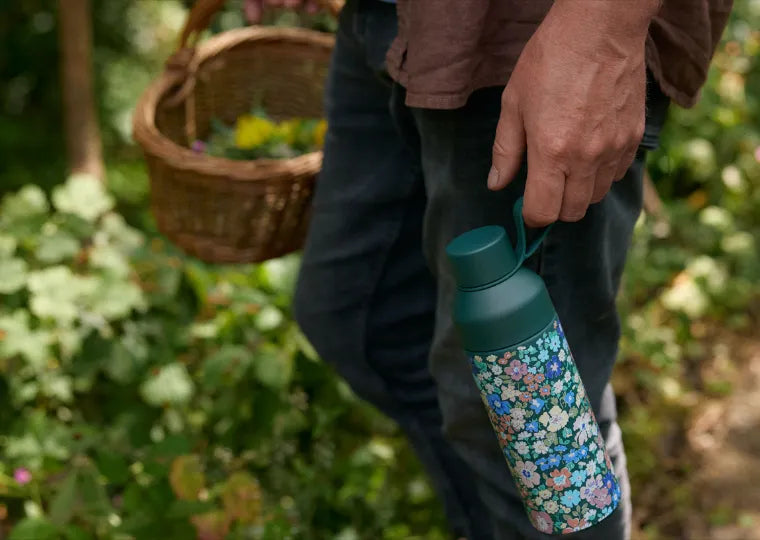
When you choose to buy an Ocean Bottle, you’re committing to reducing your usage of single-use plastic and funding the collection of plastic waste before it enters the ocean.
Reefs, mangroves, and saltmarshes protect our coastlines
Marine ecosystems do far more than support wildlife. They act as natural defence systems for coastal communities around the world.
Mangroves and saltmarshes absorb wave energy during storms, helping reduce flooding and erosion. Seagrasses capture carbon at remarkable rates, storing it beneath the seabed for centuries. Reefs act like underwater barriers, softening the impact of powerful waves before they reach land.
When these ecosystems thrive, they help protect both people and planet.
The Great Barrier Reef is the world’s largest living structure
Stretching over 2,300 kilometres, the Great Barrier Reef is so large it can be seen from space. It’s home to thousands of species of fish, coral, turtles, sharks, and marine mammals, making it one of the most biodiverse ecosystems on the planet.
Coral reefs support around 25% of all marine life despite covering less than 1% of the ocean floor. They also protect coastlines from storms and erosion, support local economies, and provide food security for millions of people.
But plastic pollution and coral bleaching events caused by rising ocean temperatures are threatening reefs worldwide.
The ocean is still full of mystery
Despite covering most of our planet, the ocean remains one of Earth’s final frontiers. New species are discovered every year. Entire ecosystems exist in darkness miles beneath the surface. Some marine creatures create their own light. Others can regenerate limbs, survive extreme pressures, or travel thousands of miles across oceans.
The ocean is vast, intelligent, and resilient, but resilience has limits.
On this World Oceans Day, the most incredible thing about the ocean may not be how mysterious it is, but how hard it’s working to protect us. Now it’s our turn to do the same.