HOW TO STAY HYDRATED THROUGHOUT THE DAY
Staying hydrated is essential – for energy levels, concentration, and overall health. Most people know they should be drinking more water, but busy schedules and daily distractions can make it easy to forget. The good news is that picking up a few simple habits can help you stay hydrated throughout the day and support your wellbeing.
WHY HYDRATION MATTERS
Water plays a vital role in almost every function of the body. It helps regulate temperature, transport nutrients, support digestion and maintain healthy physical and cognitive performance. Even mild dehydration can lead to symptoms such as headaches, fatigue, difficulty concentrating and reduced energy levels. Making hydration a daily priority is a simple focus that can help you feel your best.
HOW MUCH WATER SHOULD YOU DRINK EVERY DAY?
The long-held belief that everyone needs 6-8 glasses of water a day has been debunked – in reality, there's no single answer that works for everyone, as hydration needs vary depending on age, activity level, climate and overall health. You may need more if you exercise regularly, spend time in hot weather or have a physically demanding job.
If you feel that you’re in need of more hydration, here are some easy ways to approach upping your water intake.
START YOUR DAY WITH WATER
One of the easiest ways to improve your hydration is to drink a glass of water shortly after waking up. After several hours of sleep, your body naturally needs fluids, and starting the day with water can help you establish a healthy hydration routine. Coffee can come later – a glass of water first thing will help your body to wake up.
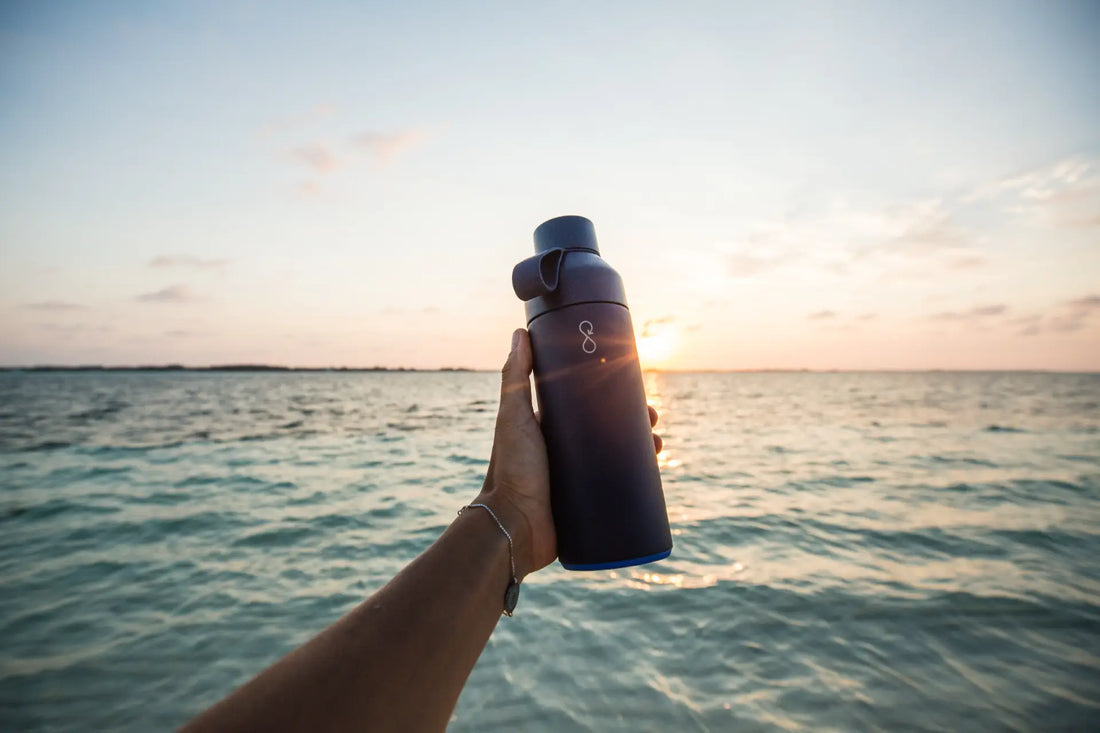
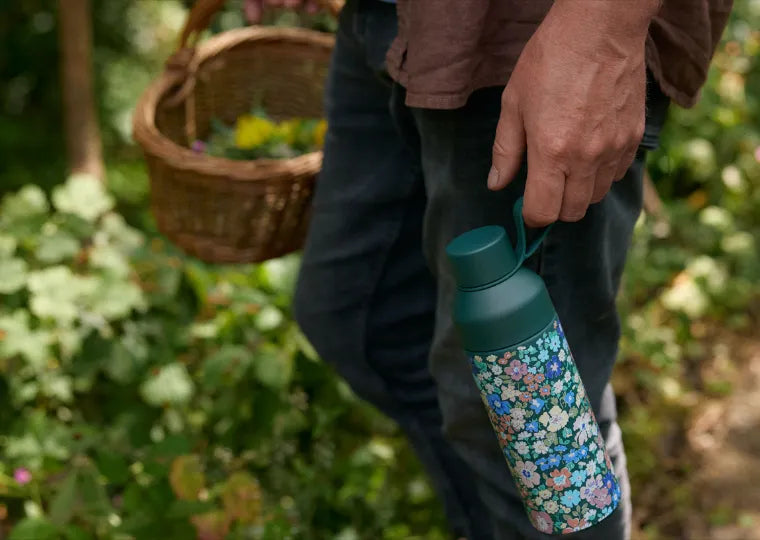
CARRY A REUSABLE BOTTLE
Keeping a reusable water bottle with you throughout the day is one of the most effective ways to stay hydrated. Having water readily available serves as a visual reminder to drink regularly, during both work and leisure. Choosing a bottle you enjoy using can also encourage consistent hydration habits.
SIP LITTLE AND OFTEN
Rather than drinking large amounts of water at once, try taking small sips throughout the day. Regular fluid intake helps your body absorb and use water more effectively, and makes hydration feel more manageable. Setting reminders on your phone or linking drinking water to existing habits can help – as can drinking through a straw.
EAT WATER-RICH FOODS
Hydration doesn't come from drinks alone. Many fruits and vegetables contain high levels of water and can contribute to your overall fluid intake. Foods such as cucumber, watermelon, strawberries, oranges, lettuce and celery are excellent choices for supporting hydration while also providing valuable nutrients.
RECOGNISING THE SIGNS OF DEHYDRATION
You might not even realise that your water intake isn’t what it should be; it’s easy for signs of dehydration to feel like the norm when you don’t know what you’re looking for.
Common signs of dehydration include:
-
Feeling thirsty
-
Dry mouth
-
Dark yellow urine
-
Headaches
-
Tiredness
-
Difficulty concentrating
If you notice these symptoms, increase your fluid intake and monitor how you feel.
MAKE HYDRATION A HABIT
Staying hydrated doesn't have to be complicated. By carrying a reusable water bottle, drinking water regularly throughout the day and eating water-rich foods, you can make hydration a simple part of your daily routine.
FAQs
What is the best way to stay hydrated throughout the day?
The best approach is to drink fluids regularly, carry a reusable water bottle and make hydration part of your daily routine rather than waiting until you feel thirsty.
How much water should I drink each day?
Individual water requirements vary depending on lifestyle, activity levels and environmental conditions. However, it is very rare that anyone drinks “too much” water – so, if in doubt, it’s probably safe (and beneficial) to up your intake.
Can food help keep you hydrated?
Yes. Many fruits and vegetables contain a high percentage of water and can contribute to your overall hydration.
Does tea and coffee count towards hydration?
Yes. Tea and coffee contribute to your daily fluid intake, although water remains the best option for staying hydrated.